Main Festivals

പ്രധാന ഉത്സവങ്ങൾ

Pooyam Mahothsavam

“Pooyam Mahothsavam” is a major festival, held every year on the Pooyam nakshatra in the Malayalam month of Kumbham.

The festival begins with the hoisting of the temple flag on the first day and ends with the Arattu and flag lowering on the tenth day. Celebrated with gusto, it is one of the most prominent festivals in Kollam.

Celebrations at the temple are grander than Onam for the local devotees. The ten-day festival celebrations comprise a series of poojas, cultural dance drama programs, Thalappoli festivity, and many other activities.

Attractions of Pooyam Mahothsavam

Kavadi Ghosha Yatra
The Kavadi Ghosha Yatra, a ceremonial "burden" dance symbolizing balancing a spiritual debt, is a sight to behold. The Kavadi symbolizes balancing of two hills: Shivagiri (hill of purity) and Shaktigiri (hill of strength), entrusted with sage Agasthya, a Saptharishi, by Lord Shiva himself.

Festivities begin early morning on the first day, setting out from the Mundakkal Temple. A sea of youngsters clad in yellow attire — symbolizing knowledge, learning, happiness, peace, meditation, competence, and mental development — carry the symbolic Kavadi, chanting “Hara Hara Hara”.
Arattu Ghosha Yatra

This is followed by youth bearing the Purna Kumbha Kalasha pot, symbolizing abundance and "source of life" in the Vedas. A group of dancers performing Kumbha Melam, Pamba Melam, Chenda Melam, Pandi Melam, Mayura Nrithyam, and story enactments from the Puranas follows. Symbolically, these rituals were designed to drive subtle insights, making human life worthy of living. Heaven transcends earth during these mesmerizing rituals.

Upon reaching the temple, the Abhisheka Pooja begins. The pooja is conducted with milk, Kalabham (a paste made of aromatic ingredients like sandalwood, akil, guggulu, kumkum flower, ramacham, manchi, etc.), turmeric, ghee, Panchamritam (five nectars — usually honey, sugar, milk, yogurt, and ghee), and tender coconuts.

Arattu Ghosha Yatra
The Arattu Ghosha Yatra, or ritual bath, begins at the Ayathil Karuthar Pond and is witnessed by thousands from Kala Vedi to Medayil Mukku, symbolically purifying one’s body, mind, intellect, and spirit.

Deepa Prabha
The Light festival, ‘Deepa Prabha’, lights up the night sky, symbolizing the inner awakening of Light and knowledge, in the darkness of ignorance. Devotees light lamps in their homes, hold freshly sprouted coconut leaves, symbolizing a fresh beginning. Firecracker works charge up the locality.
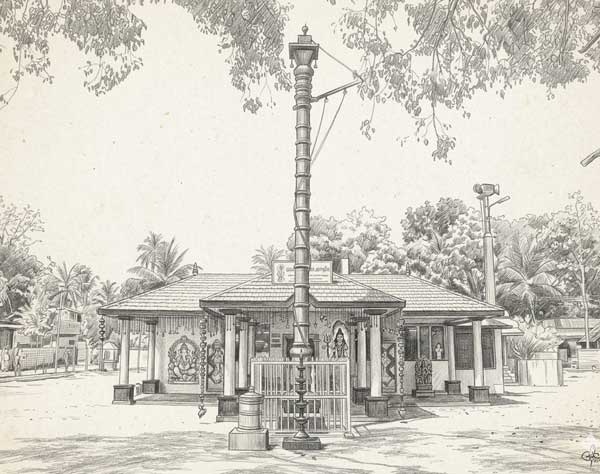
The flag is lowered, finally on the tenth day, at an astrologically predetermined time. The festivities come to a glorious end with the tradition of ‘Hidumban oottu’ and ‘Pongala’, a social cooking ritual to strengthen bonds, amongst various villages and peoples of days bygone. ‘Pongala’ literally means to boil over.
Shashti Mahothsavam

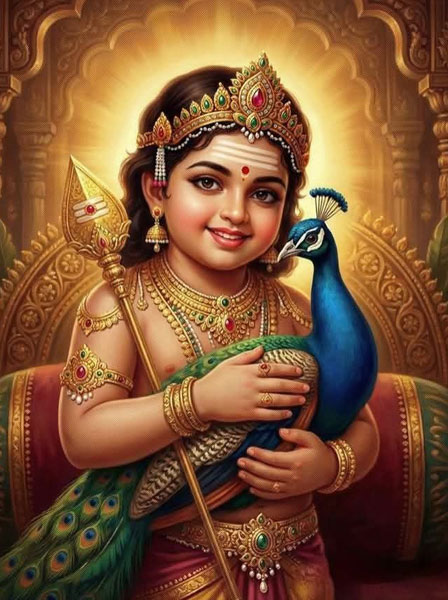
The ‘Shashti Maha Ulsavam’ of Pattathanam Sri Subrahmanya Swamy Temple is well on its way to become a colorful and historical classic on the socio-cultural canvas of Kerala.

Devotees observe fasting for six days prior to the festivities. According to Hinduism, food is verily an aspect of Brahman, ‘Annam Parah Brahma Swaroopam’. It is a gift from God and should be treated with great respect. Fasting purifies the body and mind, and develops ‘sathvik’ qualities of detachment and equanimity

Other Important Poojas


The following Poojas are also conducted in the Temple premises on special ocations :

Vinayaka Chathurthi

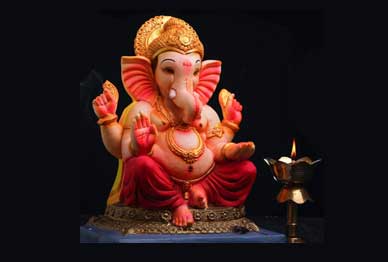
Vinayaka Chathurthi (also called Ganesh Chaturthi) is a Hindu festival celebrating the birth of Lord Ganesha (Vinayaka) — the remover of obstacles and the god of wisdom, prosperity, and new beginnings.

Ayilya Pooja

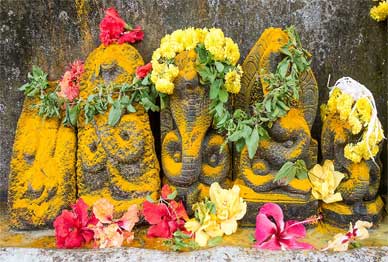
Ayilya Pooja is a sacred ritual performed on the Ayilyam star day to worship the serpent deities (Naga Devatas). This pooja is conducted to seek protection, prosperity, and relief from Sarpa Dosha. Ayilya Pooja is especially important in Sarpa Kavu in our Subrahmanya temples. Kanni Ayilyam as the most powerful Ayilya Pooja of the year.

Navarathri Pooja

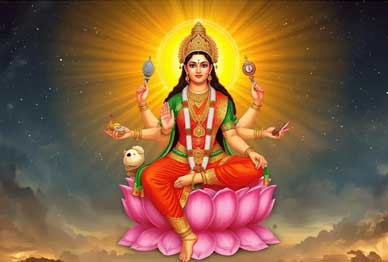
Navarathri is observed for 9 nights and 10 days, usually during September–October (Malayalam month: Kanni). Navarathri Pooja is a sacred nine-day Hindu festival dedicated to the worship of Goddess Durga, Lakshmi, nd Saraswathi. It symbolizes the victory of good over evil and is celebrated with devotion, prayers, and cultural traditions.

Mandala Chirappu

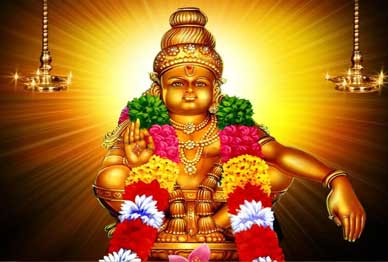
Mandala Chirappu is a special temple festival celebrated at the end of the Mandala Kalam, a sacred 41-day period of worship observed in our temples, especially those dedicated to Lord Ayyappa.
Mandala Kalam begins in November (Vrischikam 1 Malayalam month) and Mandala Chirappu on 41st day of Mandala Kalam

Ramayan Masacharanam

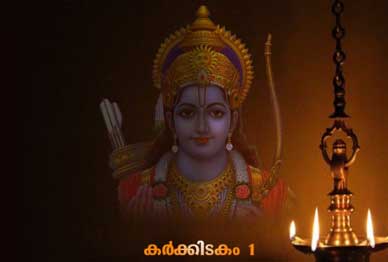
Ramayana Masacharanam is a sacred observance conducted during the Malayalam month of Karkidakam, where Ramayana Parayanam (reading of Ramayana) is performed daily with special poojas and devotional programs in our temple.